
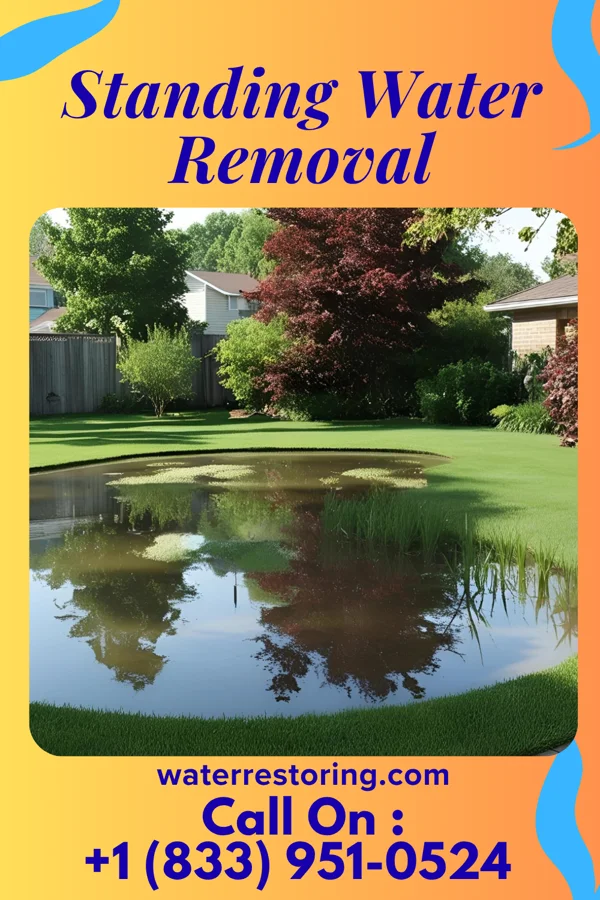
Hollow Creek Standing Water: What Owners Should Know
Residential or commercial, water damage emergencies in Hollow Creek keep coming back to the same drivers. In Hollow Creek, Kentucky, the primary water damage cause is often due to heavy rainfall and flash flooding, especially during the spring thaw and summer thunderstorms. These events can lead to basement flooding and water seepage through foundation cracks. The rural setting also means that drainage systems are less developed, increasing the risk of water accumulation. sits at the top of the list. A close second is Secondary causes include sewer backups from overwhelmed municipal systems, leaking appliances in older homes, and groundwater infiltration in low-lying areas. Additionally, the proximity to Spring Mill and Louisville can result in localized flooding from nearby rivers or creeks during extreme weather events..
Hollow Creek experiences a humid subtropical climate, with heavy rainfall concentrated in the spring and summer months. This leads to a higher frequency of water damage incidents, particularly in areas with poor drainage. The region's elevation and rural layout also contribute to prolonged water exposure in homes.
Water damage in Hollow Creek follows a few local patterns. In Hollow Creek, Kentucky, the primary water damage cause is often due to heavy rainfall and flash flooding, especially during the spring thaw and summer thunderstorms. These events can lead to basement flooding and water seepage through foundation cracks. The rural setting also means that drainage systems are less developed, increasing the risk of water accumulation. accounts for the bulk of our calls. Hollow Creek experiences a humid subtropical climate, with heavy rainfall concentrated in the spring and summer months. This leads to a higher frequency of water damage incidents, particularly in areas with poor drainage. The region's elevation and rural layout also contribute to prolonged water exposure in homes. Mold growth in Hollow Creek can occur rapidly due to the high humidity and frequent water exposure, making it crucial to address water damage within 48 hours to prevent health risks and structural issues. Mold can spread quickly in rural homes with limited ventilation.